The short answer: The CDC says a damp, moldy home may cause many different health effects or none at all, and it singles out people with asthma or mold allergies, people with weakened immune systems and people with chronic lung disease. If it is the house you want checked, read what a mold inspection by a Florida licensed mold assessor covers.
We are a referral service, not a clinic, and nothing on this page is medical advice. Each statement belongs to the agency named beside it.
The Symptoms the CDC Lists
The CDC opens with a range rather than a rule: exposure to damp and moldy environments, it says, may cause a variety of health effects, or none at all. For some people, it says, mold can cause:
- A stuffy nose
- A sore throat
- Coughing or wheezing
- Burning eyes
- A skin rash
The mold allergy symptoms guide sets these beside the lists from other agencies, symptom by symptom.
The Groups the CDC Expects to React More
The CDC says people with asthma, or who are allergic to mold, may have severe reactions. It says people whose immune systems are compromised, and people with chronic lung disease, may get infections in their lungs from mold.
Workers Around Large Amounts of Mold
The CDC's strongest reactions come from work settings. It says fever or shortness of breath may occur among workers exposed to large amounts of molds, and gives farmers working around moldy hay as its example.
The Research the CDC Points To
The CDC cites a 2004 Institute of Medicine finding of sufficient evidence linking indoor mold exposure to three things. They are upper respiratory symptoms, cough and wheeze in otherwise healthy people; asthma symptoms in people with asthma; and hypersensitivity pneumonitis in people susceptible to that immune condition.
Early Exposure and Asthma in Children
The CDC adds that more recent studies suggest a potential link between early mold exposure and the development of asthma in some children, particularly children who may be genetically susceptible. The guide to mold and children in Plantation stays on that question.
Who Is Most at Risk: Four Agencies Side by Side
Each agency names its own groups, and the lists overlap without matching. Here they are as each one words them.
| CDC | People with asthma or who are allergic to mold; immune compromised people; people with chronic lung disease |
|---|---|
| Florida Department of Health | Babies and children; elderly persons; people with chronic respiratory conditions, allergies or asthma; people with weakened immune systems |
| U.S. EPA | Children, elderly people and those with pre-existing respiratory illnesses |
| MedlinePlus | Sensitive people, in whom mold may cause allergic reactions or asthma attacks |
Babies, Children and Older Adults
The Florida Department of Health says the groups on its list may be affected sooner and more severely than others. The EPA says the risks of indoor mold are especially harmful for children, elderly people and people with respiratory illness.
People With Asthma or Allergies
Every list includes this group. The EPA's mold and health page says molds can trigger asthma episodes in sensitive people with asthma, and that people with asthma should avoid contact with or exposure to molds.
People With Weakened Immune Systems
The Florida Department of Health says people with chronic illnesses or immune system problems may be more likely to get infections from certain molds. On its list of people who may be affected sooner, its examples of weakened immune systems are people with HIV or AIDS, chemotherapy patients and organ transplant recipients.
The department also says that after mold is removed, a disinfectant on surfaces may be needed where people are thought to be susceptible to fungal infections.
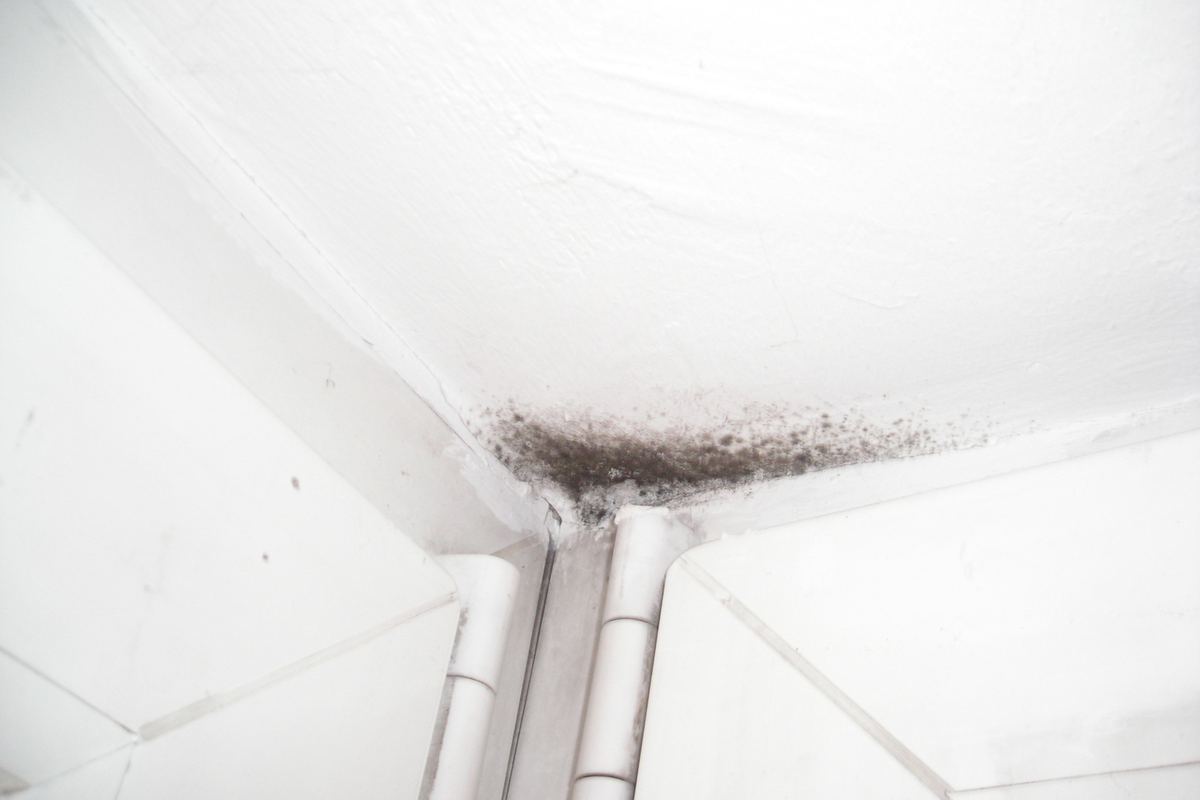
Four Kinds of Health Problems
The Florida Department of Health sorts the health problems that come from mold into four kinds: allergic illness, irritant effects, infection and toxic effects. The other agencies' statements fit under the same four headings.
Allergic Illness
In the EPA's account, allergic reactions are the common ones, arriving right away or later. They look like hay fever: sneezing, a runny nose, red eyes, a skin rash.
Irritant Effects
Irritation does not depend on an allergy. The EPA says mold exposure can irritate the eyes, skin, nose, throat and lungs of both mold allergic and non allergic people.
Infection
MedlinePlus, the National Library of Medicine's health site, says molds can cause fungal infections. The CDC and the Florida Department of Health tie infection to the immune and lung groups named above.
Toxic Effects
Here the agencies say the least. The Florida Department of Health says very little is known about the actual health risks from breathing in or touching mold toxins, and that allergic disease is now considered the most likely health problem from mold.
Why One Home Affects People Differently
The Florida Department of Health compares the question of how much mold makes a person sick to asking how much sun causes a sunburn. It says the amount varies from person to person, and what one tolerates may cause symptoms in another.
The department adds that the long term presence of indoor mold may eventually become unhealthy for anyone.
Complaints the Agencies Cannot Yet Explain
People with mold complaints sometimes report headaches, memory problems, mood swings, nosebleeds and body aches, the department says, and the causes are not yet understood. The EPA, for its part, says inhaled mold is not commonly reported to cause symptoms beyond allergy and irritation, and that research continues.
Where the Agencies Send Health Questions
For mold health risks, the agencies send questions to medical care, not to a mold company. The CDC's Stachybotrys facts page says people with persistent symptoms should see their physician.
The Florida Department of Health's advice for people with special health concerns who think indoor mold is affecting them is to consult a medical doctor. For questions about health effects and safe removal, it points to your local county health department's Office of Environmental Public Health, Radon and Indoor Air Program.
Where the House Comes In
The EPA says molds are usually not a problem indoors unless spores land on a wet or damp spot and begin growing. The Florida Department of Health says that when mold grows and multiplies indoors, exposure can increase, and with it the risk of health problems.
Finding growth and its water source is the part a Florida licensed mold assessor works on. For a home in Plantation, you can ask from the home page; homeowners in Fort Lauderdale can read about mold inspection in Fort Lauderdale.
Why older houses let water in, part by part, is the subject of a separate guide, mold in older Plantation homes.
Mold Health Risks: Short Answers
Does everyone who lives with mold get sick?
No, according to the CDC, which says exposure to damp and moldy environments may cause a variety of health effects, or none at all. The Florida Department of Health says the amount that causes symptoms varies from person to person.
Is black mold a bigger health risk than other molds?
The CDC says all molds should be treated the same with respect to potential health risks and removal, and that it is not necessary to find out what type of mold is growing. The guide to what causes black mold covers the color question.
Can a mold test show that mold is behind my symptoms?
The CDC says no test exists that proves an association between Stachybotrys chartarum and particular health symptoms. The Florida Department of Health says there are no health or exposure based standards that can be used to evaluate a mold sampling result.
Who do the agencies say should stay out of a mold cleanup?
The Florida Department of Health says people who clean mold should be free of symptoms and allergies. It also says that anyone with health concerns before starting a cleanup should consult their doctor.
Sources
- Centers for Disease Control and Prevention, Mold (September 26, 2024). https://www.cdc.gov/mold-health/about/index.html. Read 2026-11-23.
- Centers for Disease Control and Prevention, Facts About Stachybotrys chartarum (May 29, 2024). https://www.cdc.gov/mold-health/data-research/facts-stats/index.html. Read 2026-11-23.
- U.S. Environmental Protection Agency, Mold and Health (last updated February 18, 2026). https://www.epa.gov/mold/mold-and-health. Read 2026-11-23.
- U.S. Environmental Protection Agency, What Are Molds?. https://www.epa.gov/mold/what-are-molds. Read 2026-11-23.
- Florida Department of Health, Mold (Indoor Mold and Your Health). https://www.floridahealth.gov/community-environmental-public-health/environmental-public-health/air-quality/mold/. Read 2026-11-23.
- MedlinePlus, National Library of Medicine, Molds (last updated August 30, 2026). https://medlineplus.gov/molds.html. Read 2026-11-23.
The service
Mold inspection: how a Florida licensed mold assessor looks for growth and the water behind it. Mold remediation covers the cleanup.
Other guides
How to ask
Send a request through the short form; you do not pay us to ask. A company whose mold assessor holds a Florida license may pay us for the introduction.