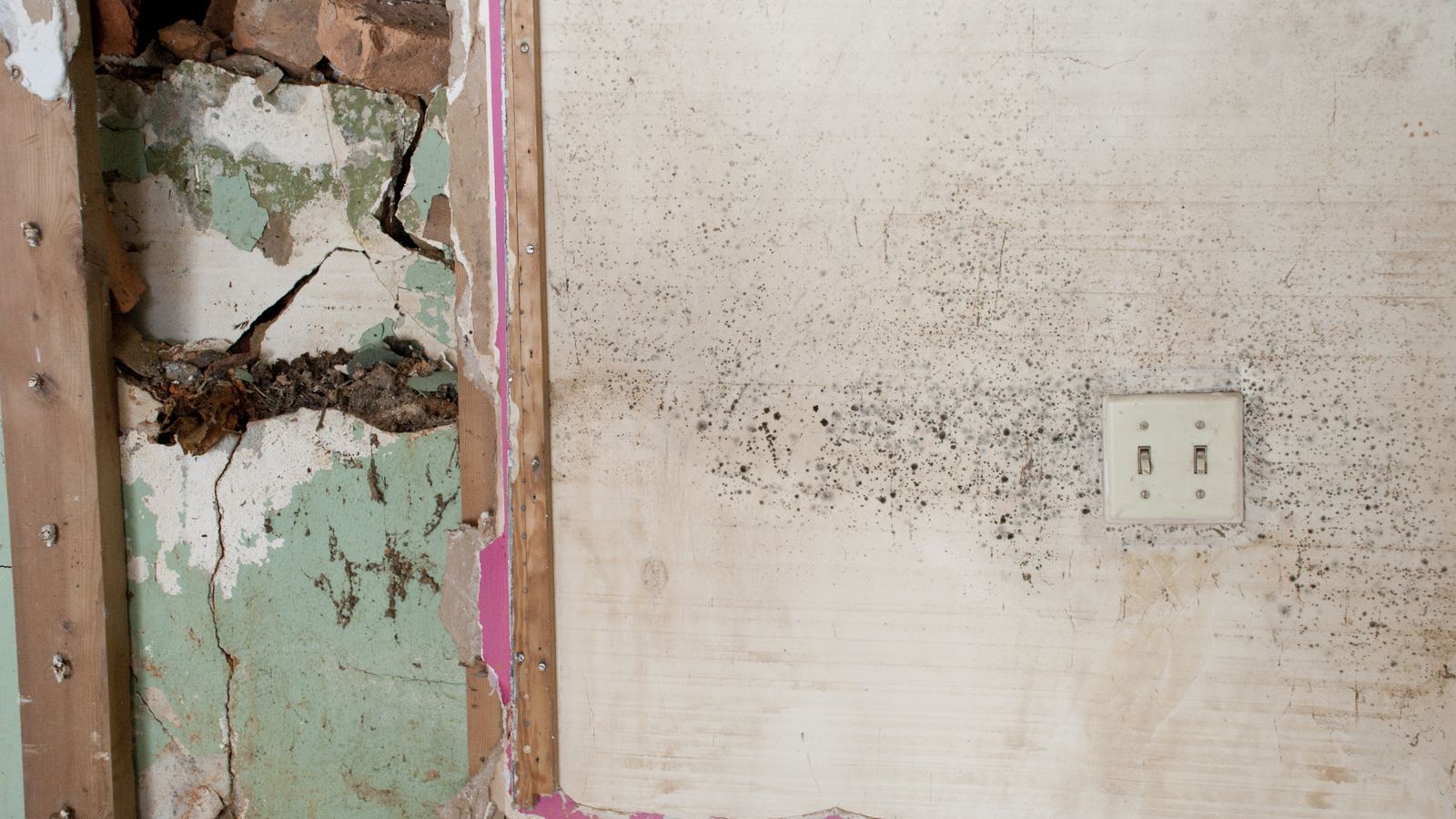
What a mold inspection is
It is a check of a building for indoor mold and for the water that lets it grow. In Florida the legal name for the work is a mold assessment, and the person who does it is a licensed mold assessor.
State law defines a mold assessment as a process that includes "the physical sampling and detailed evaluation of data obtained from a building history and inspection" to form a first view of "the origin, identity, location, and extent" of mold growth of more than 10 square feet (Florida Statutes 468.8411).
People say mold inspection and mold testing for the same visit. The looking and measuring is the inspection, and the sampling is the testing.
| Legal name of the work | Mold assessment (Florida Statutes 468.8411) |
|---|---|
| Who does it | A mold assessor licensed by DBPR |
| Size named in the statute's definition | Mold growth of more than 10 square feet |
| Sampling | May be considered in specific instances (EPA); see the testing section |
| Federal limits for mold | None have been set (EPA) |
| Assessor's insurance | At least $1 million (Florida Statutes 468.8421) |
| Assessor doing the cleanup | Restricted by Florida Statutes 468.8419, explained below |
What happens at an inspection visit

1. Ask about the building
The assessor asks about leaks, spills and past water damage. Florida law makes the building's history part of a mold assessment.

2. Look and measure
They look for visible growth and for signs of moisture, including the places mold hides. A moisture meter can read how damp a wall or floor is.

3. Sample where useful
If a question cannot be answered by looking, they may take air, surface or bulk samples. Ask what question each sample answers.

4. Report the findings
Florida law sets the aim: where the mold started, where it is and how far it goes. Ask for the findings in writing, with any sample results explained in plain words.
What a licensed mold assessor checks
The legal definition names three things: the building's history, an inspection, and physical sampling. The points below come from what the U.S. Environmental Protection Agency (EPA) and the Florida Department of Health say about where mold and moisture show up.
The building's water history
Mold needs water. EPA puts it this way: "There are many types of mold, and none of them will grow without water or moisture" (EPA, A Brief Guide to Mold, Moisture and Your Home).
So expect the assessor to ask about past leaks, spills and water damage before looking at anything.
The visual check
The Florida Department of Health says mold growth "may look cottony, velvety, rough, or leathery" and can be white, gray, brown, black, yellow or green. It often shows as staining or fuzzy growth on furniture or building materials (Florida Department of Health, Mold).
Our page on mold visual inspection covers this step on its own.
Where mold hides
EPA lists places where mold may be hidden:
- the back side of drywall, wallpaper or paneling
- the top side of ceiling tiles
- the underside of carpets and pads
- inside walls around leaking or condensing pipes
- the surface of walls behind furniture, where condensation forms
- inside ductwork
- roof materials above ceiling tiles
EPA says investigating hidden mold "may be difficult and will require caution" when it means disturbing places where mold may be growing. Its advice: "If you believe that you may have a hidden mold problem, consider hiring an experienced professional."
Our page on thermal imaging mold inspection explains how a thermal camera fits into the search for hidden mold.
Air conditioning equipment
The Florida Department of Health says to check around air handling units for standing water, and to routinely inspect "the evaporator coils, liner surfaces, drain pans and drain lines."
Moisture readings
EPA says moisture meters "may be helpful for measuring the moisture content in a variety of building materials following water damage." The meter has a thin probe that is pushed into the material or pressed against its surface (EPA, Mold Remediation in Schools and Commercial Buildings, chapter 3).
EPA says these meters can be used on carpet, wallboard, wood, brick and concrete. A humidity meter does the same job for the air in a room.
Mold testing: when it helps
Mold testing is the part of the visit most people ask about first. It is also the part the health agencies are most careful about.
What the Florida Department of Health says
"The Florida Department of Health does not recommend mold testing or sampling to see if you have a mold problem, or to see what kind of mold might be growing. Sampling for mold in the air can be expensive and, if done, should only be done by experienced professionals." Source: Florida Department of Health, Mold, read 2026-11-22.
It adds that when mold growth can be seen, sampling is usually not needed, and that no health based standard exists to judge a sampling result against.
EPA agrees. It says no EPA or other federal limits have been set for mold or mold spores, so "sampling cannot be used to check a building's compliance with federal mold standards" (EPA, Mold Testing or Sampling).
When sampling can be useful
EPA's guide for schools and commercial buildings says you may consider sampling in specific instances, such as when litigation is involved, the source of the mold contamination is unclear, or health concerns are a problem. Surface sampling may also be useful to find out whether an area has been adequately cleaned.
EPA lists four kinds of samples: air, surface, bulk and water. Our mold testing page explains each one, what it can show and how the lab report is read.
Pages for each kind of test
- Mold air sampling: what an air sample can and cannot tell you.
- Mold surface sampling: samples taken from a surface, including after a cleanup.
- Indoor air quality testing: when the question is about the air in the home, mold included.
How to check a house for mold
The Florida Department of Health says: "Indoor mold growth can usually be seen or smelled." Its page gives these steps:
- Look for visible mold growth.
- Look for signs of moisture or water damage: water leaks, standing water, water stains, condensation.
- Check around air handling units for standing water.
- Search areas where you notice mold odors. "If you can smell an earthy or musty odor, you may have a mold problem."
If you can smell mold and cannot find it, that is the hidden mold case above, where EPA says to consider an experienced professional.
If the trouble began with a leak or a flood, read mold inspection after water damage. EPA says it is important to dry water-damaged areas and items within 24 to 48 hours to prevent mold growth.
When an inspection is worth it
It depends on what you can already see and smell.
When you may not need one
For a small patch, the Florida Department of Health and EPA say the same thing: if the moldy area is less than about 10 square feet, roughly a 3 foot by 3 foot patch, "in most cases, you can handle the job yourself" (EPA, Mold Cleanup in Your Home).
Florida's definitions of mold assessment and mold remediation name the same size: mold growth of more than 10 square feet.
When an assessor helps
- You smell mold and cannot see where it comes from.
- There has been a lot of water damage, or the growth covers more than 10 square feet. Both agencies point to fuller guidance for jobs of that size.
- You want the finding to come from someone other than the company that would do the cleanup. Florida law keeps the two jobs apart, as the next section explains.
- A cleanup is finished and you want to know whether the area was adequately cleaned.
For an office, a shop or another business building, see commercial mold inspection.
Who may do a mold assessment in Florida
The Florida Department of Business and Professional Regulation (DBPR) "is responsible for licensing and regulating mold assessors and mold remediators" (DBPR, Mold-Related Services).
Under Florida Statutes 468.8419, a person may not perform or offer to perform a mold assessment, or use the title mold assessor, without complying with the licensing law.
What the license requires
From section 468.8413, section 468.8414 and section 468.8421:
- passing the required examination
- documented training in water, mold and respiratory protection
- either a two year degree with at least 30 semester hours in a related science and one year of documented field experience in microbial sampling or investigations, or a high school diploma with four years of that experience
- general liability and errors and omissions insurance coverage of at least $1 million
Inspection and removal are kept apart
A mold assessor may not perform or offer mold remediation on a structure that the assessor or the assessor's company assessed within the last 12 months. The statute makes an exception for certain certified contractors.
An assessor also may not accept any payment or reward from a mold remediator for referring business to that remediator.
How to look up a license
DBPR's online search lets users "verify licenses by name or license number." Ask a company that receives your request for the name and license number of the mold assessor it will send, then check that license on the DBPR license search before anyone visits.
Our guide to Florida mold license rules walks through the lookup step by step.
What the visit costs
We do not set prices and we do not publish one. A company that receives your request sets its own fee, so ask for it in writing before the visit.
Sampling is where the bill can grow. The Florida Department of Health says air sampling "can be expensive", and EPA lists "costs for unneeded or inappropriate samples" among the pitfalls of poor sampling.
Ask which samples are planned and what question each one answers. EPA's own view is blunt: if there are not enough samples to answer the question posed, "it would be preferable not to sample."
Our guide to mold inspection cost covers what changes the price.
After the inspection finds mold
EPA says: "If there is mold growth in your home, you must clean up the mold and fix the water problem." Clean up the mold without fixing the water and, in EPA's words, "most likely, the mold problem will come back."
Florida's definition of mold remediation in section 468.8411 covers "the removal, cleaning, sanitizing, demolition, or other treatment" of mold or mold-contaminated matter "of greater than 10 square feet". DBPR licenses mold remediators separately from mold assessors.
Our page on mold remediation and removal explains that step and who may do it.
Mold inspection near me: where we take requests
We take requests through this site. Any work is done by a company whose mold assessor holds a Florida license, which may pay us for the introduction.
The areas page lists each place we take requests for, so you can find your city. You can also start from our home page.
What This Work Looks Like
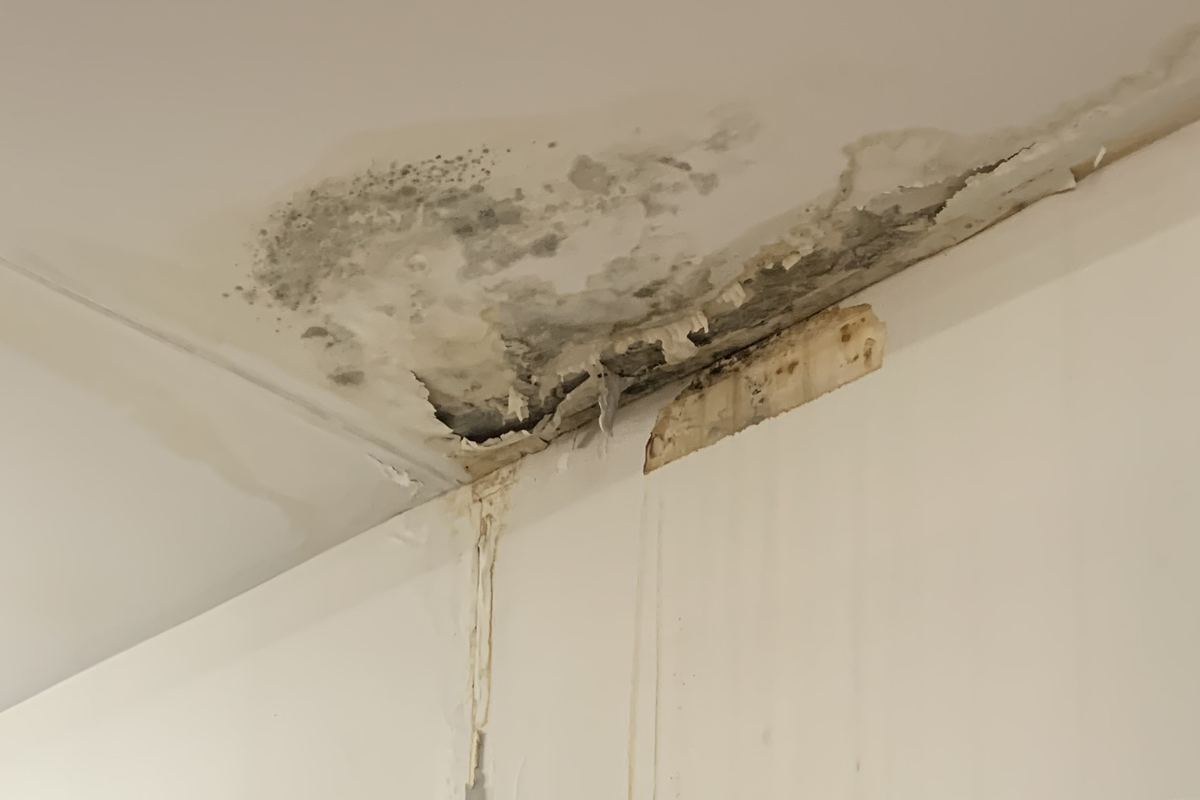
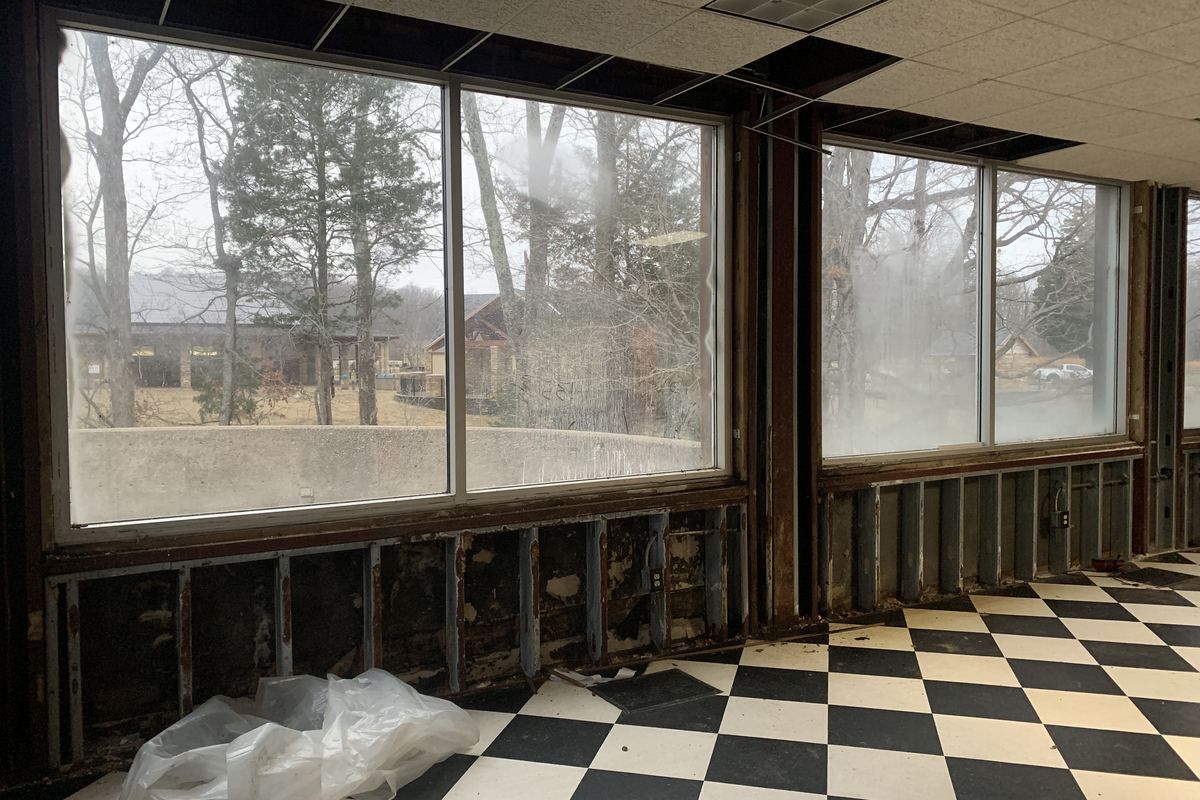
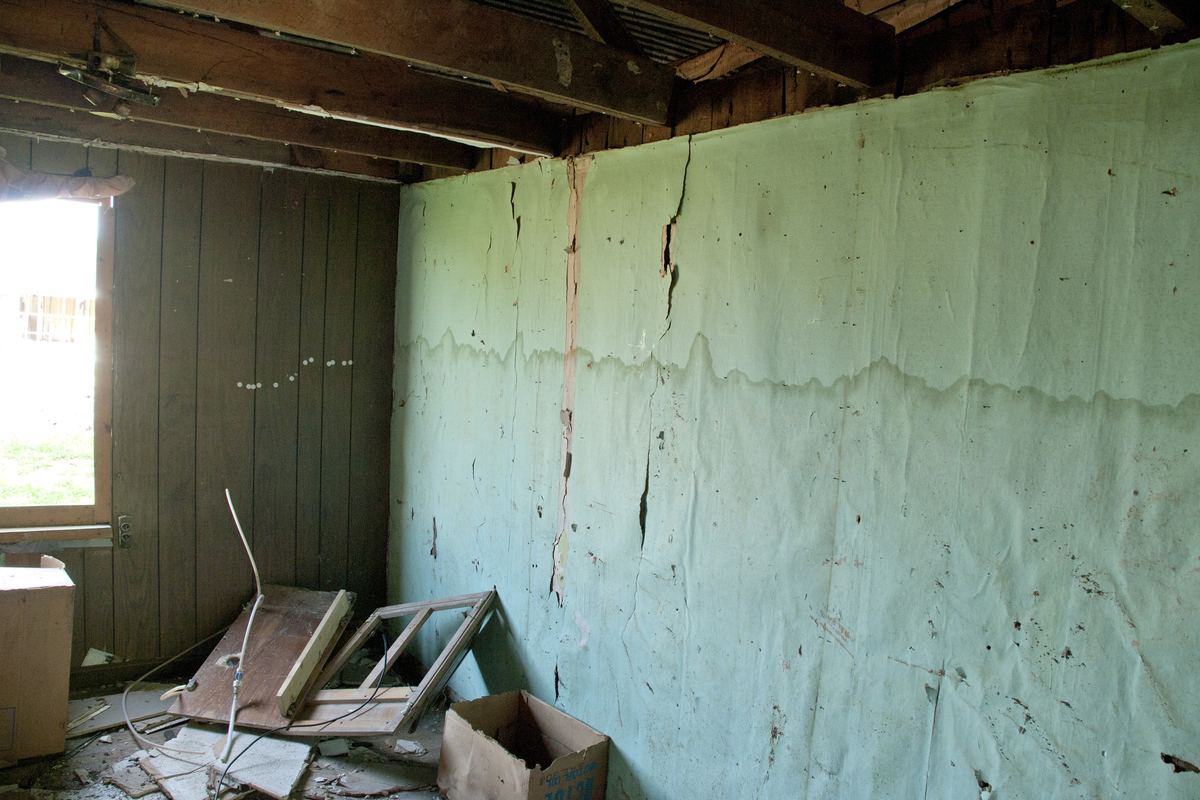
Public domain photos of other homes, shown to illustrate the work. They are not jobs arranged through this site.
Mold Inspection Questions, Answered
Do I need mold testing if I can already see mold?
Usually not. The Florida Department of Health does not recommend testing to see if you have a mold problem, and its own words are in the testing section above. EPA says sampling may still be useful in specific cases, such as when the source of the mold is unclear or to find out whether an area was adequately cleaned. Our mold testing page goes further.
Who is the best mold inspection company near me?
We do not rank companies and we do not publish ratings. What you can check yourself is the license: Florida requires a mold assessor to be licensed by DBPR, and the DBPR license search lets you verify a license by name or number. Ask a company that receives your request what the visit covers and what the written report will include.
Is there a cheap way to check for mold myself?
Yes, start with your eyes and nose. The Florida Department of Health says indoor mold growth can usually be seen or smelled, and tells you to look for water stains, leaks and condensation and to follow any earthy or musty odor. EPA adds that humidity can be measured with a small meter that costs $10 to $50 at many hardware stores, and suggests keeping indoor humidity below 60 percent.
Does it cost anything to ask through this site?
No, you do not pay us to ask; our about page says how the referral works. The inspection itself is priced by a company that receives your request, and we cannot promise what it will charge, so ask for the fee in writing first. Our guide to what goes into an inspection quote explains what changes the price.
What is a mold specialist called in Florida?
Florida licenses two kinds. A mold assessor performs or directly supervises a mold assessment, and a mold remediator performs mold remediation (DBPR, Mold-Related Services). The assessor finds and reports the problem, and the remediator removes it. Our page on mold remediation and removal covers the second job.
Can the company that inspects also remove the mold?
In most cases, not on the same building for a set time. Florida Statutes 468.8419 limits when a mold assessor may perform or offer mold remediation on a structure the assessor or the assessor's company assessed. The time limit and the exception are under "Inspection and removal are kept apart" above.
Sources
- Florida Department of Health, Mold. https://www.floridahealth.gov/community-environmental-public-health/environmental-public-health/air-quality/mold/. Read 2026-11-22.
- U.S. EPA, A Brief Guide to Mold, Moisture and Your Home. https://www.epa.gov/mold/brief-guide-mold-moisture-and-your-home. Read 2026-11-22.
- U.S. EPA, Mold Testing or Sampling. https://www.epa.gov/mold/mold-testing-or-sampling. Read 2026-11-22.
- U.S. EPA, Mold Remediation in Schools and Commercial Buildings Guide, chapter 3. https://www.epa.gov/mold/mold-remediation-schools-and-commercial-buildings-guide-chapter-3. Read 2026-11-22.
- U.S. EPA, Mold Cleanup in Your Home. https://www.epa.gov/mold/mold-cleanup-your-home. Read 2026-11-22.
- Florida DBPR, Mold-Related Services. https://www2.myfloridalicense.com/mold-related-services/. Read 2026-11-22.
- Florida DBPR, license search (Verify a Licensee). https://www.myfloridalicense.com/portalsearches/VerifyLicensee. Read 2026-11-22.
- Florida Statutes 468.8411, Definitions. https://www.leg.state.fl.us/statutes/index.cfm?App_mode=Display_Statute&URL=0400-0499/0468/Sections/0468.8411.html. Read 2026-11-22.
- Florida Statutes 468.8413, Examinations. https://www.leg.state.fl.us/statutes/index.cfm?App_mode=Display_Statute&URL=0400-0499/0468/Sections/0468.8413.html. Read 2026-11-22.
- Florida Statutes 468.8414, Licensure. https://www.leg.state.fl.us/statutes/index.cfm?App_mode=Display_Statute&URL=0400-0499/0468/Sections/0468.8414.html. Read 2026-11-22.
- Florida Statutes 468.8419, Prohibitions; penalties. https://www.leg.state.fl.us/statutes/index.cfm?App_mode=Display_Statute&URL=0400-0499/0468/Sections/0468.8419.html. Read 2026-11-22.
- Florida Statutes 468.8421, Insurance. https://www.leg.state.fl.us/statutes/index.cfm?App_mode=Display_Statute&URL=0400-0499/0468/Sections/0468.8421.html. Read 2026-11-22.
Where we take requests
Plantation, Fort Lauderdale, Davie, the rest of Broward County and Miami. See all areas.
Related services
Visual inspection, thermal imaging, mold testing, surface sampling, air sampling, indoor air quality testing, commercial mold inspection and inspection after water damage. For mold that has been found, mold remediation and removal. See all services.
Read first
Mold inspection cost: what changes the price. Florida mold license rules: how to check a license.
Ask for a Licensed Mold Assessor
Send the short form. Any work is done by a company whose mold assessor holds a Florida license, which may pay us for the introduction.