Step One: An Inspection, and Testing Where It Helps
The first step is someone looking at the home. In Florida that person is a licensed mold assessor, and the state licenses and regulates mold assessors and mold remediators through the Department of Business and Professional Regulation.
Florida law describes a mold assessment as sampling plus a detailed look at the building's history and an inspection. The aim is a first answer on where the mold came from, what it is, where it is and how far it has spread.
Inspection Services
- Mold inspection and testing: what a licensed mold assessor checks, and how to look up a Florida license.
- Mold visual inspection: the looking part of an inspection, what it covers and where it stops.
- Thermal imaging mold inspection: what an infrared camera can and cannot show about hidden mold.
- Mold inspection after water damage: when to have a home checked after a flood, storm, roof leak or pipe leak.
- Commercial mold inspection: inspection for owners of businesses and rental buildings, and the records to keep.
Testing Services
Testing is not always part of it. The EPA says that in most cases, if visible mold growth is present, sampling is unnecessary, and the Florida Department of Health does not recommend mold testing or sampling to see if you have a mold problem.
- Mold testing: the kinds of mold samples and how a lab reports them.
- Mold air sampling: how spore traps and outdoor control samples work, and how to read the counts.
- Mold surface sampling: swab, tape lift and bulk samples, and what each one shows.
- Indoor air quality testing: the air beyond mold, from humidity and particles to carbon dioxide, chemical gases and radon.
Step Two: Find Where the Water Came From
Mold does not grow without water. The EPA puts it plainly: the key to mold control is moisture control.
That is why the source of the water comes before any cleanup. The same EPA guide warns that if you clean up the mold but do not fix the water problem, the mold problem will most likely come back.
Step Three: Remediation, the Removal Itself
Once the extent is known and the water is dealt with, a licensed mold remediator removes the mold. Florida law counts removal, cleaning, sanitizing, demolition and other treatment of more than 10 square feet of moldy material as mold remediation.
Florida law keeps the inspection and the removal apart. Florida Statute 468.8419 limits when a mold assessor may remediate a structure that the assessor or the assessor's company assessed, with an exception for certain certified contractors.
Removal Services
- Mold remediation and removal: what a Florida licensed mold remediator does, step by step.
- Residential mold removal: containment, belongings and when people stay out of a lived-in home.
- Commercial mold removal: occupants, shared air, scheduling and paperwork in a business or rental building.
Step Four: Check the Work Afterward
A job is not finished just because the mold is out of sight. The EPA says you must have completely fixed the water or moisture problem before the cleanup or remediation can be considered finished.
This is the point where testing has a clear use. The EPA notes that surface sampling may be useful to determine if an area has been adequately cleaned or remediated.
Our guide to Florida mold license rules explains how the same statute applies to a remediator.
| Inspect and test | A Florida licensed mold assessor |
|---|---|
| Find the water source | Part of the assessor's inspection |
| Remediate | A Florida licensed mold remediator |
| Check afterward | A Florida licensed mold assessor |
Separate from mold, asbestos testing covers when a home may hold asbestos and who Florida licenses to test for it.
We are a referral service: we do none of this work ourselves and we hold no mold license. To start, send a request; any work is done by a company whose assessor or remediator holds a Florida license, and that company may pay us for the introduction.
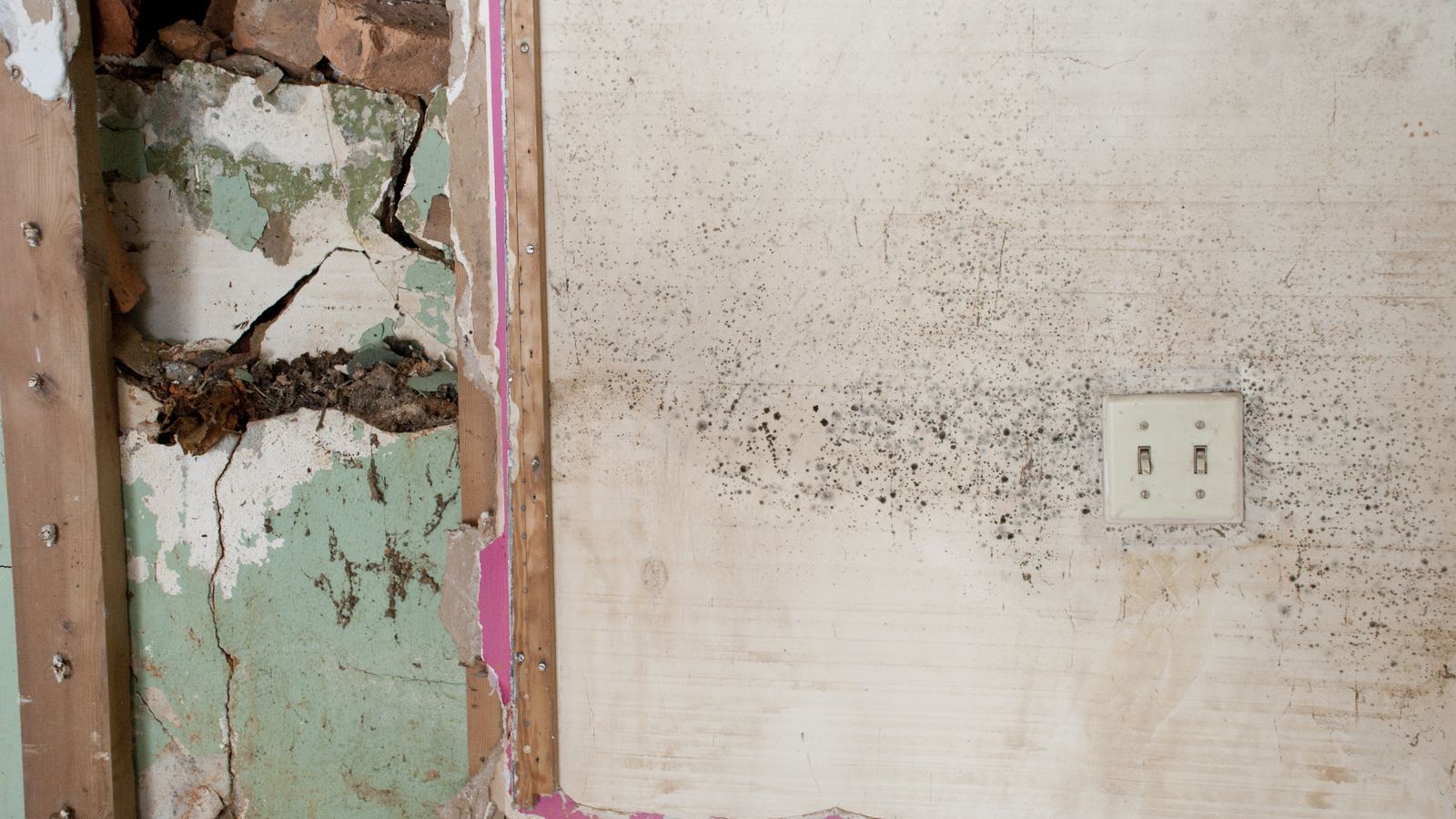 Service
Mold Inspection and Testing
What a licensed mold assessor checks, when sampling is useful, and how to look up a Florida license.
About mold inspection and testing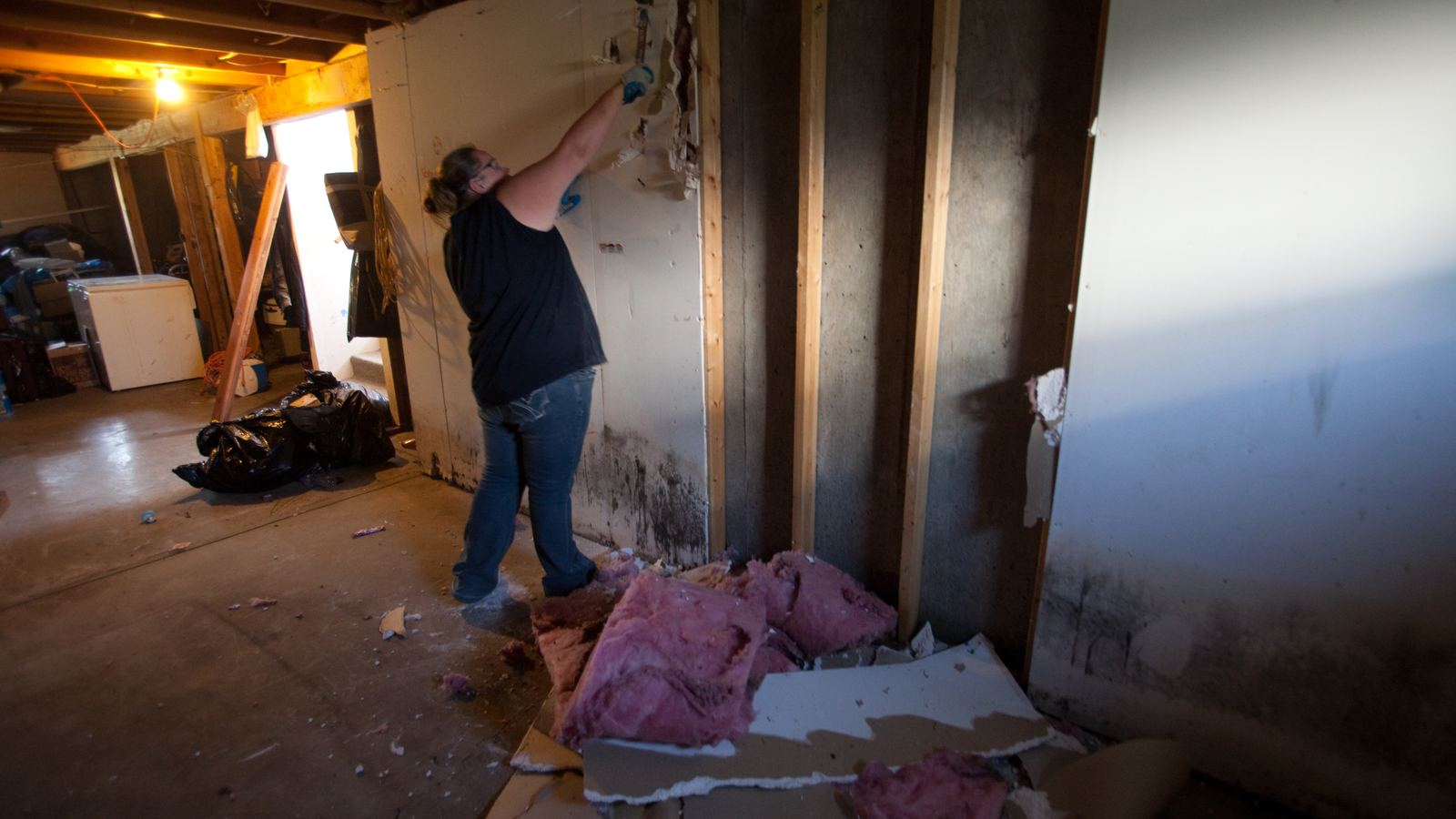 Service
Mold Remediation and Removal
What a Florida licensed mold remediator does, step by step, and how you know the job is finished.
About mold remediation and removal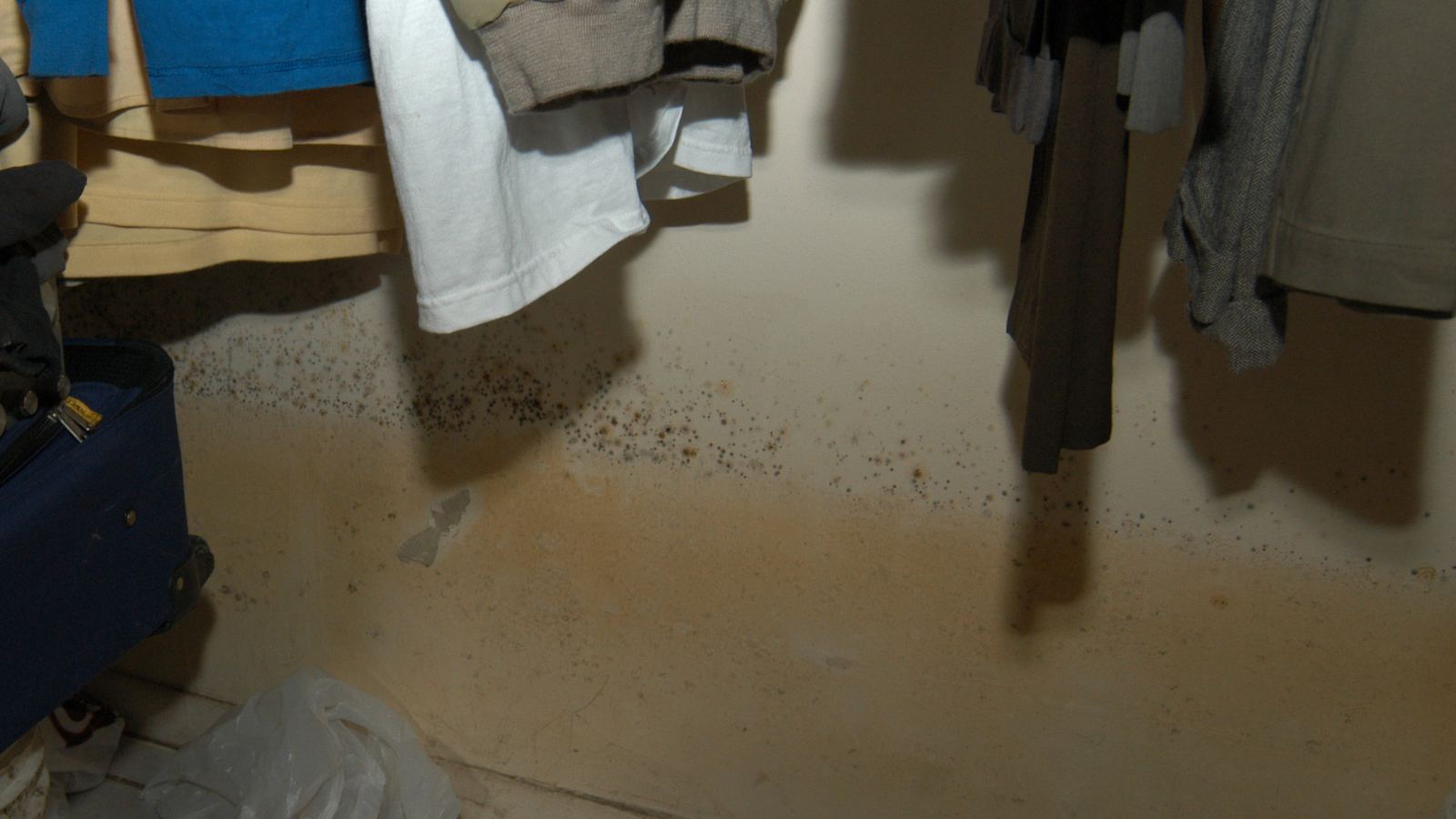 Service
Mold Inspection After Water Damage
When to have a home checked for mold after a flood, storm, roof leak or pipe leak, and what a licensed assessor looks at.
About mold inspection after water damage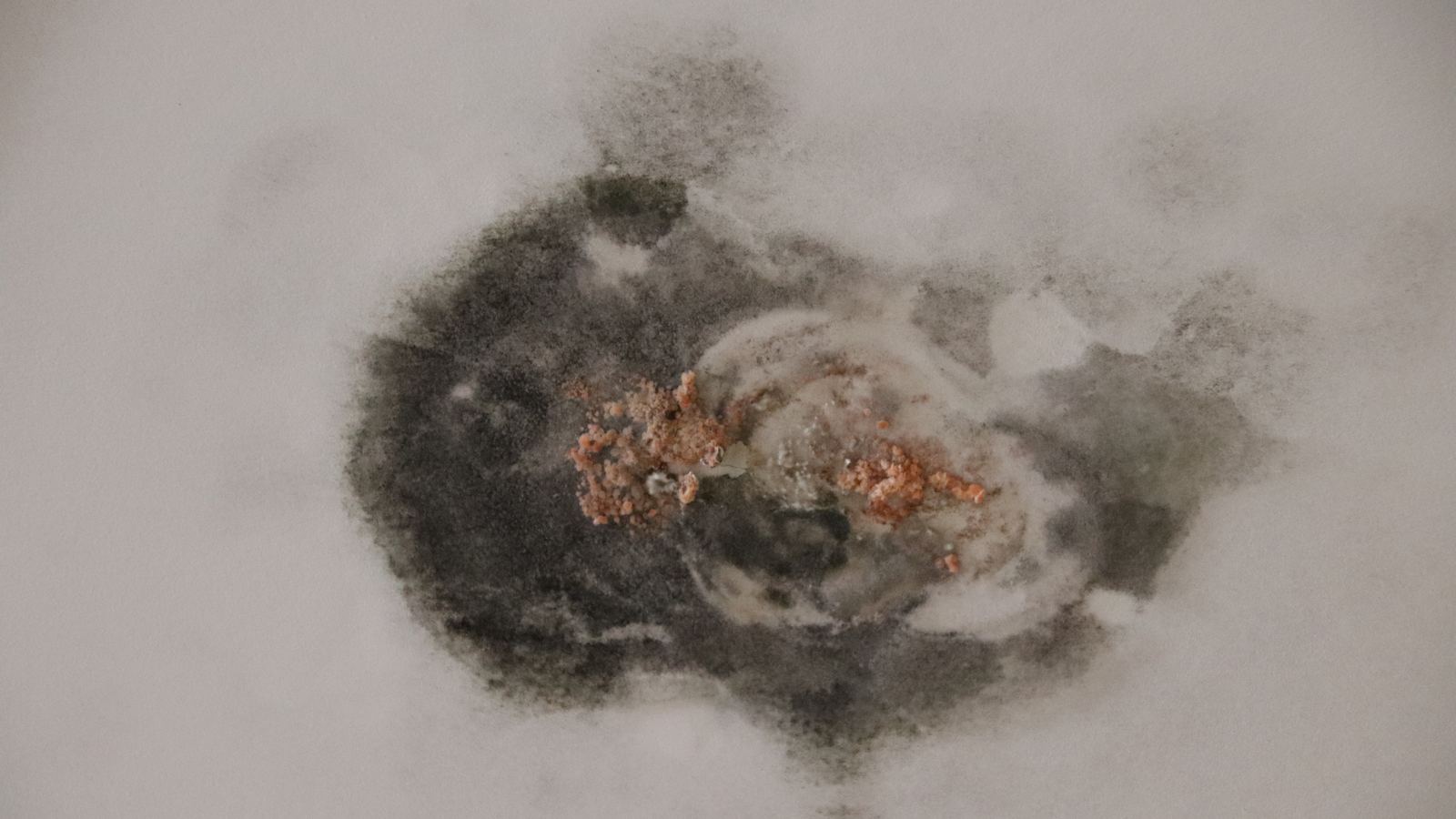 Service
Mold Visual Inspection
The visual part of a mold inspection: what is looked at, its limits, and when sampling comes next.
About mold visual inspectionThermal Imaging Mold Inspection
What an infrared camera can and cannot show about hidden mold, and how its cold spots get checked.
About thermal imaging mold inspection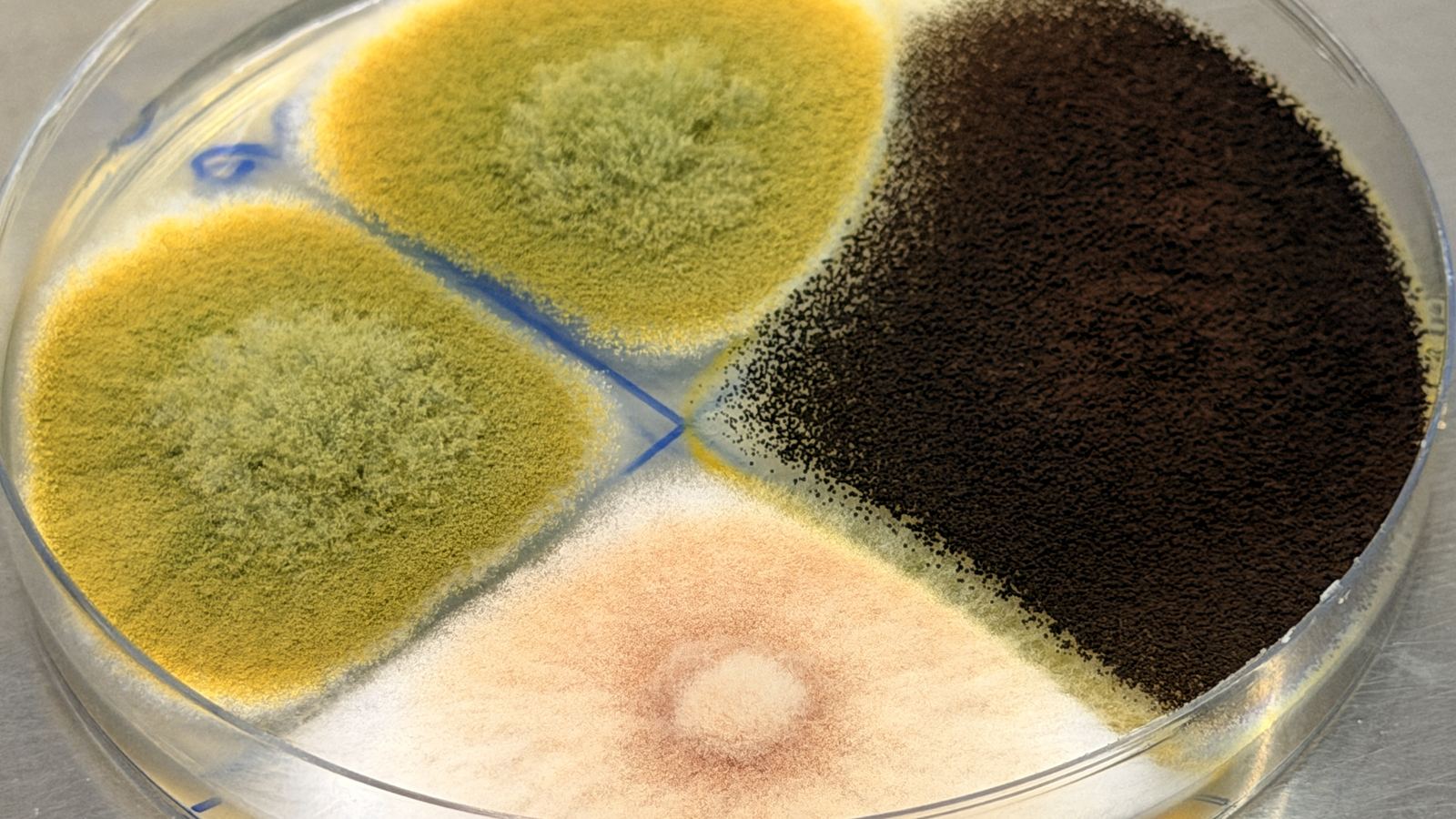 Service
Mold Testing
The kinds of mold samples, how a lab reports them, and when the health agencies say testing helps.
About mold testingResidential Mold Removal
How mold removal works in a lived-in home: containment, belongings and when people stay out.
About residential mold removal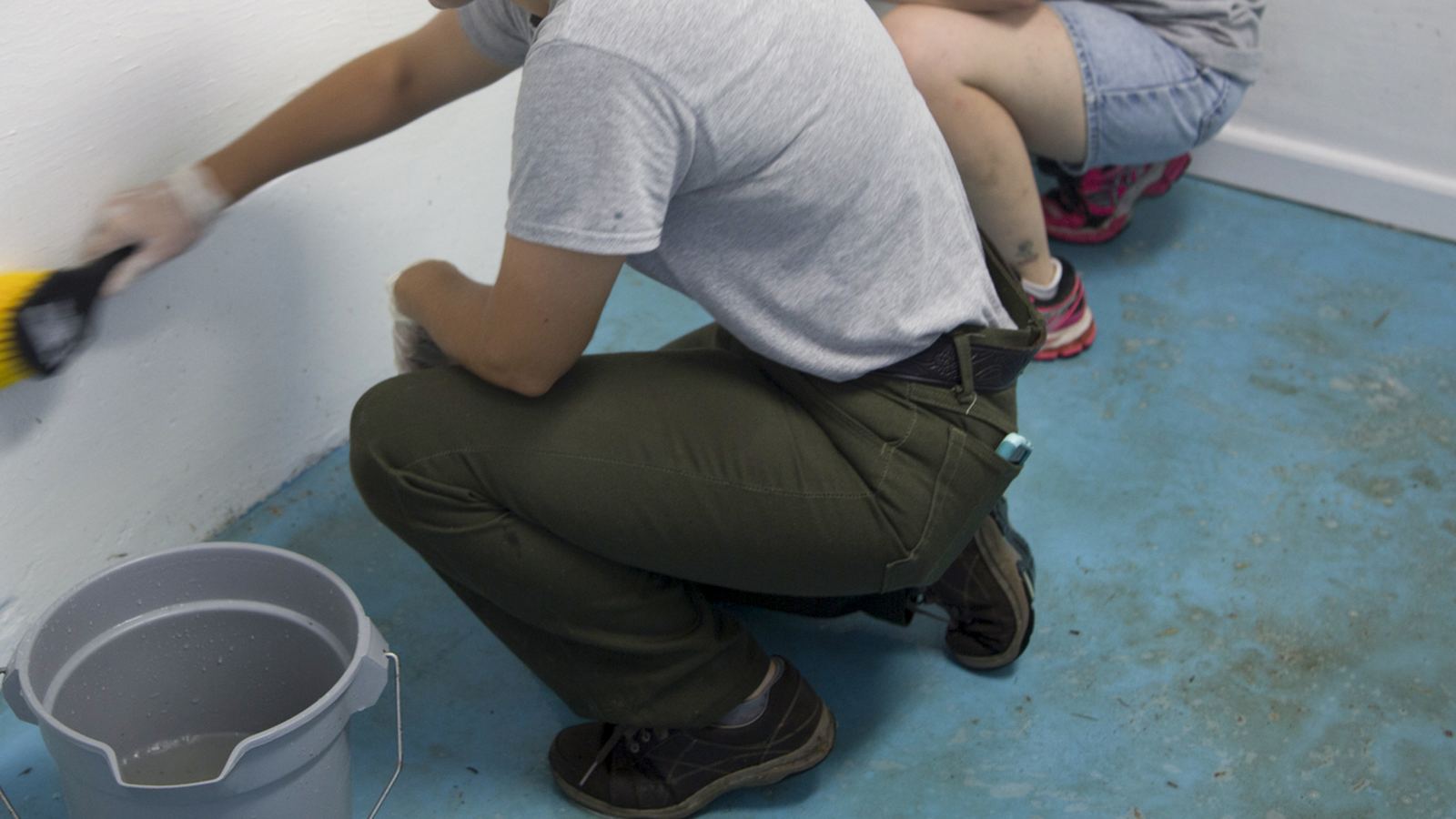 Service
Commercial Mold Removal
How mold removal works in a business or rental building: occupants, shared air, scheduling and the paperwork to keep.
About commercial mold removal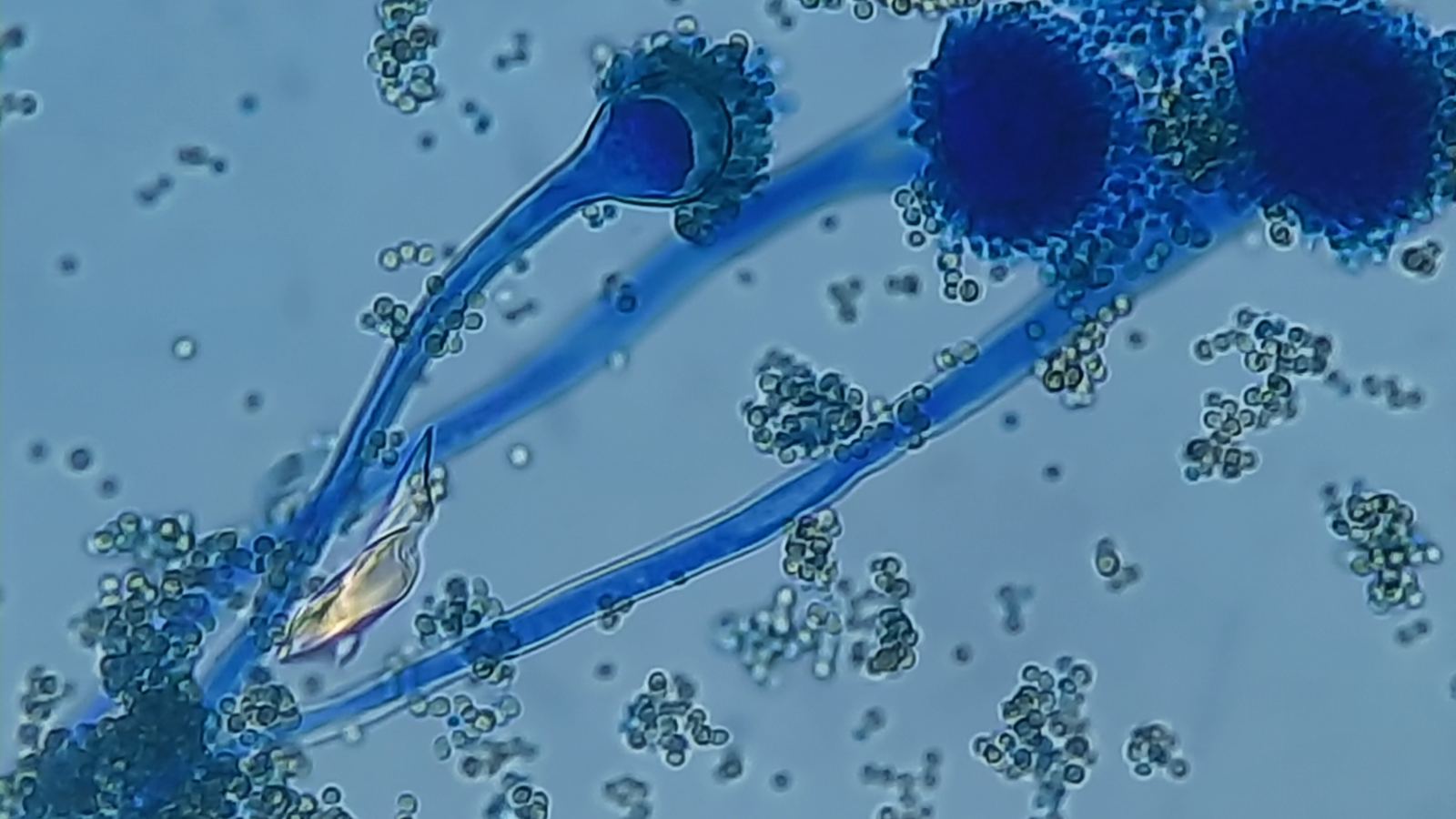 Service
Mold Surface Sampling
Swab, tape lift and bulk samples: what each one shows, and what it cannot.
About mold surface sampling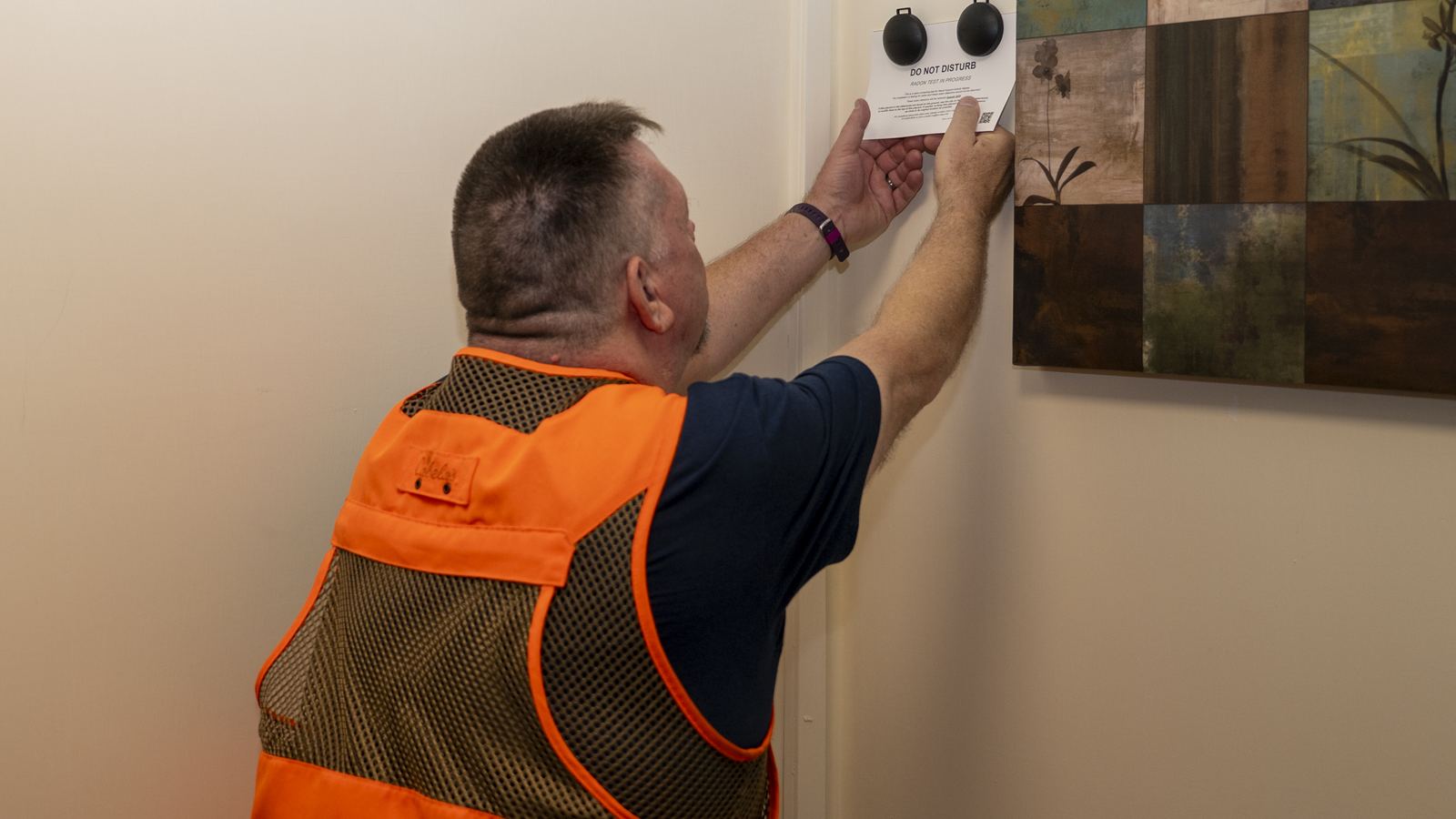 Service
Indoor Air Quality Testing
The whole air picture in a home beyond mold: humidity, particles, carbon dioxide, chemical gases and radon, and who measures each.
About indoor air quality testingMold Air Sampling
How spore traps and outdoor control samples work, and how to read the counts.
About mold air sampling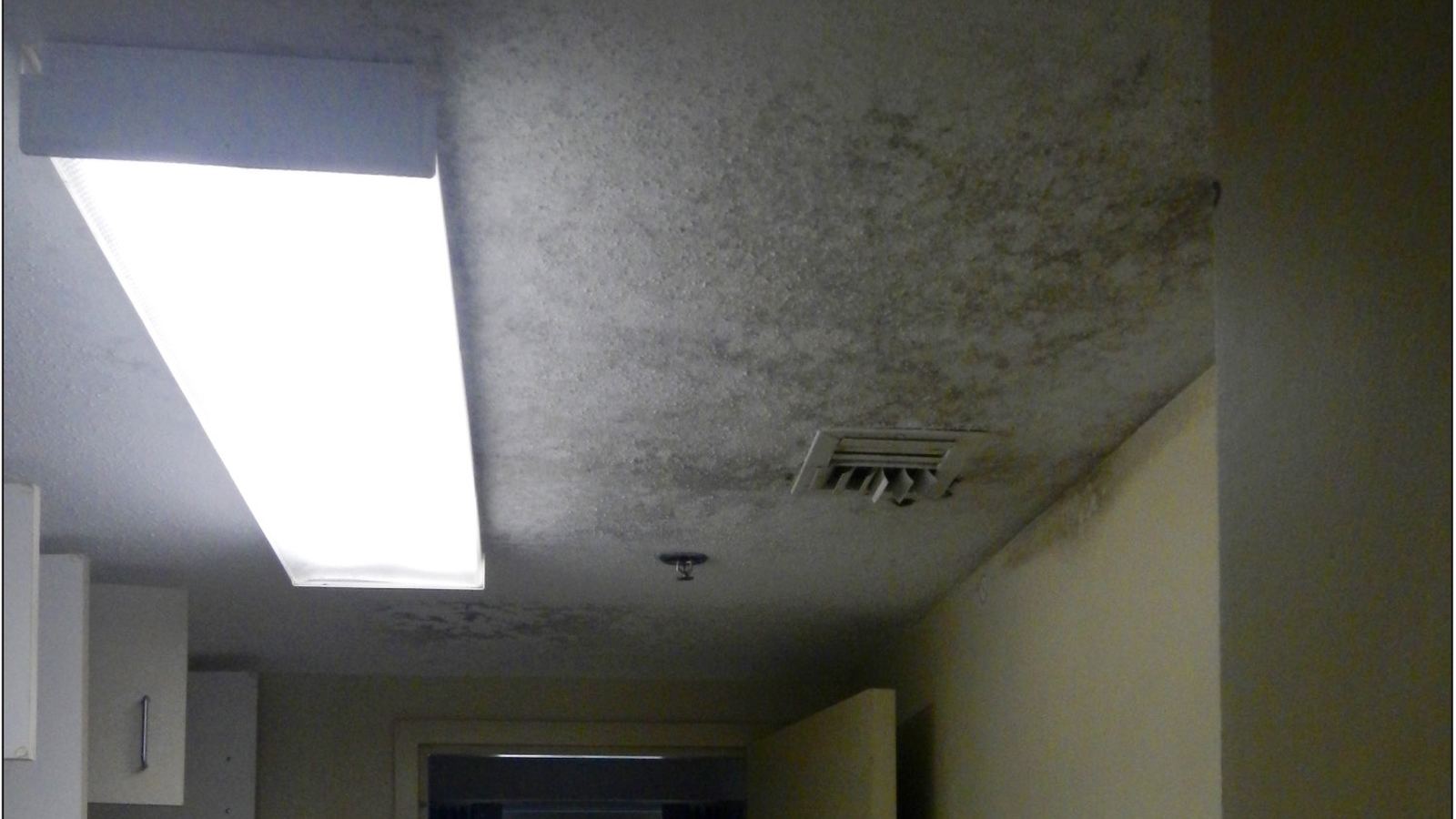 Service
Commercial Mold Inspection
Inspection, not removal, for owners of businesses and rental buildings: complaints, leaks, testing and the records to keep.
About commercial mold inspection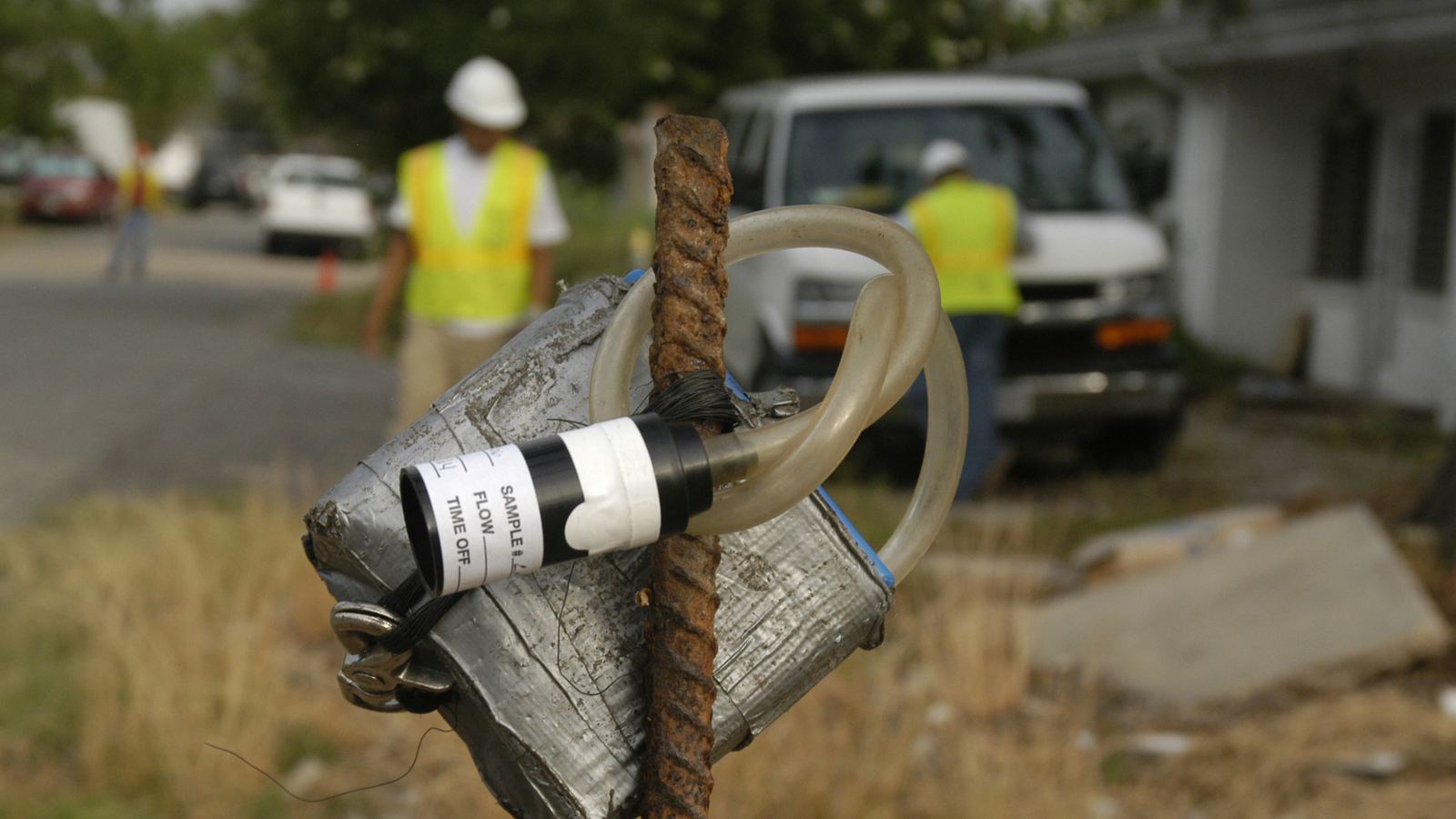 Service
Asbestos Testing
When a home may hold asbestos, why disturbing it matters, and who Florida licenses to test for it.
About asbestos testingAsk With a Short Form
The form asks what you need, your ZIP code, your name and your email address. The company doing the work asks for details afterward, and it may pay us for the introduction.