The short answer: Mildew is mold, and a thin film on tile or a shower curtain is usually a cleaning job. Growth that has soaked into drywall, keeps coming back, or smells musty with nothing in sight is where a mold inspection by a Florida licensed mold assessor fits in.
We are a referral service, not a mold company, and we do no cleaning or testing ourselves. The rules below are quoted from the EPA, the Florida Department of Health, UF/IFAS Extension and the Florida Statutes, all listed near the foot of the page.
Mildew and Mold: One Organism, Two Names
The EPA's mold course puts it in one line: also called fungi or mildew, molds are neither plants nor animals, and they belong to the kingdom Fungi.
The University of Florida's Extension service says the same in its guide Keeping It Clean: Controlling Mildew. It calls mildew "a mold that can grow and cause damage to your health and home."
What Mildew Looks and Smells Like
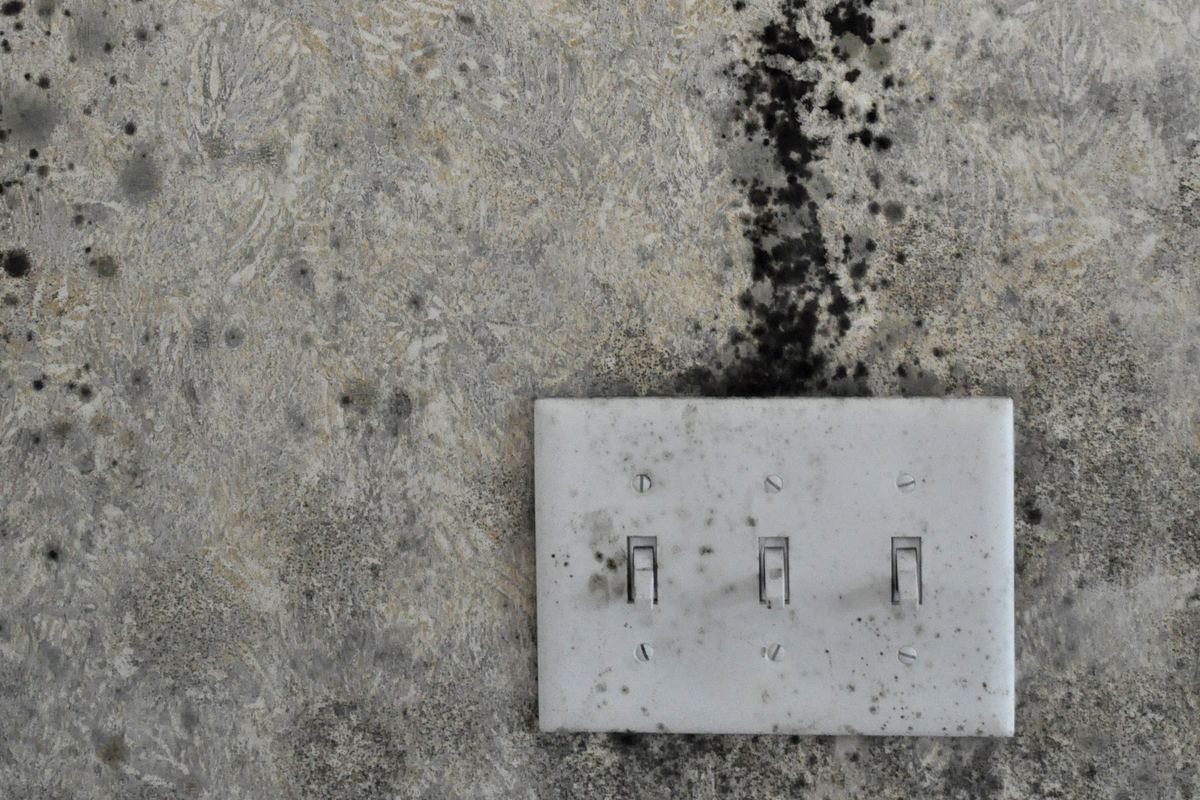
UF/IFAS Extension says mildew is recognizable by its musty odor and a black, brownish or reddish fuzzy discoloration.
The EPA ties that smell to compounds molds release into the air. It says a moldy odor suggests mold is growing in the building and should be investigated.
Color Does Not Name the Kind
The EPA notes that molds come in many colors, white among them. It also says "black mold" is not a species or a specific kind of mold, and neither is "toxic mold."
Where It Shows Up First
UF/IFAS Extension says mildew grows well on damp clothing, in bathrooms and in other places where there is moisture.
The EPA's list of common indoor sites starts in the same rooms: bathroom tile and grout, areas around windows, and around sinks.
Naming the Mold Is Rarely Needed
The Florida Department of Health says that in most cases, if visible mold growth is present, sampling is not needed. It does not recommend testing to see what kind of mold might be growing.
Why Miami Air Suits Mildew
UF/IFAS Extension says mildew grows best in moist, warm air, such as in Florida.
Miami is warm most of the year. NOAA's 1991 to 2020 normals for the Miami International Airport station put the average annual temperature at 77.4 degrees Fahrenheit, with every monthly average from May through October at 80 degrees or higher.
Moisture Matters More Than Heat
The EPA says moisture is the most important factor in indoor mold growth. It adds that in most cases temperature is not an issue, since some molds prefer warm places and others cool ones.
Indoor Humidity Targets
The Florida Department of Health says most experts suggest relative humidity under 60 percent, and that below 50 percent is best for controlling mold growth. It names an air conditioner or a dehumidifier as the way to get there.
It adds one check for central air: if the system needs a dehumidifier's help to get below 60 percent, have the air conditioning system examined for problems.
What a Homeowner Can Wipe Away
Size comes first in mold and mildew removal in Miami, as it does anywhere. The EPA says that if the moldy area is less than about 10 square feet, in most cases you can handle the job yourself.
For hard surfaces, the EPA's advice is to clean the mold off with water and detergent and dry completely. The Florida Department of Health also allows a commercial mildew or mold cleaner.
The gear and steps both agencies list are set out in our guide to mold cleaning at home.
Showers, Grout and Towels
UF/IFAS Extension's prevention list for the bathroom is practical:
- Clean showers and tubs regularly so mildew cannot grow on soap scum and moisture.
- Dry or squeegee the shower walls after use so water does not cling to them.
- Stretch the shower curtain along the full rod after showering so it dries instead of sticking together.
- Hang damp towels where air circulates, and use ventilation fans to draw moist air out, especially when showering and cooking.
Clothes and Bedding
For mildew stains on clothes, the same guide gives a mix of 2 tablespoons of liquid chlorine bleach in 1 quart of water. It says to sponge or soak the clothes for 5 to 15 minutes and then rinse them.
For clothing that chlorine bleach would damage, it says to soak the garment in non-chlorine bleach for 30 minutes or longer, then rinse. Musty bedding goes in the sunshine for several hours.
A Note on Bleach for Walls and Floors
The EPA draws a line between laundry and building surfaces. It says using a chemical that kills mold, such as chlorine bleach, is not recommended as a routine practice during mold cleanup.
Its reason is that dead mold may still cause allergic reactions in some people, so the mold must be removed, not only killed. Where bleach is used, UF/IFAS Extension says to open a window and never mix it with any other cleaning product.
When a Miami Home Needs a Remediator
Florida law draws its line at the EPA's number. Section 468.8411 of the Florida Statutes defines mold remediation as the removal, cleaning, sanitizing, demolition or other treatment of mold or mold contaminated matter of greater than 10 square feet that was not purposely grown there.
The Department of Business and Professional Regulation licenses and regulates mold assessors and mold remediators as individuals.
Signs the Job Has Outgrown a Sponge
- The growth covers more than about 10 square feet, or there has been a lot of water damage. The EPA sends both cases to its guide for professional remediation.
- The mold is on drywall, carpet padding or insulation. The Florida Department of Health calls these not easily cleanable and says removal and replacement may be necessary.
- The water was sewage or other contaminated water. Both agencies say to call a professional with experience cleaning and fixing buildings damaged by it.
- The house smells moldy but you cannot see the source. The EPA's Brief Guide to Mold, Moisture and Your Home says that is a reason to suspect hidden mold and to consider hiring an experienced professional.
Your Own Home or a Shared Building
Section 468.841 exempts a residential property owner who performs mold remediation on his or her own property from the mold remediation part of the law.
Many Miami households live in someone else's building. Most of the city's occupied homes, 69.2 percent, are rented, and 48.8 percent of its housing units are in structures of 20 or more units, by Census Bureau survey figures for 2020 to 2024.
Renters can read mold in an apartment in Florida.
Choosing Who Does the Work
The Florida Department of Health says to make sure a contractor has experience cleaning up mold, to check references, and to ask the contractor to follow the EPA's remediation guide or other recognized guidelines. The full Miami hiring checklist is in choosing a mold removal company in Miami.
The same request form serves homes in Plantation and in Miami, as the page on mold inspection in Plantation explains. The city's housing, water and weather facts are on mold inspection in Miami.
Mildew in Miami Homes: Short Answers
Can I paint over mildew on a bathroom ceiling?
The EPA says not to paint or caulk moldy surfaces. Clean up the mold and dry the surface first, because paint applied over moldy surfaces is likely to peel.
Once I clean it, will every spore be gone?
No. The EPA says mold spores cannot be eliminated from indoor environments and are found indoors and out. What keeps them from growing back is controlling moisture, which is why the agency calls moisture control the key to mold control.
How do I know if my indoor humidity is too high?
The EPA says relative humidity can be measured with a small, inexpensive moisture or humidity meter, which it prices at $10 to $50 and says is sold at many hardware stores. It suggests keeping indoor humidity below 60 percent, ideally between 30 and 50 percent.
The musty smell is still there after I cleaned. What now?
The EPA says a moldy odor suggests mold is growing and should be investigated. Its Brief Guide lists hidden places such as the back side of drywall, the underside of carpets and pads, inside ductwork and around leaking pipes inside walls. Our guide to mold inspection after water damage explains how an assessor looks for the source.
Sources
- U.S. Environmental Protection Agency, Mold Course Chapter 1: Introduction to Mold and Mold Remediation (last updated February 18, 2026). https://www.epa.gov/mold/mold-course-chapter-1. Read 2026-11-23.
- U.S. Environmental Protection Agency, Mold Cleanup in Your Home (last updated June 4, 2026). https://www.epa.gov/mold/mold-cleanup-your-home. Read 2026-11-23.
- U.S. Environmental Protection Agency, Ten Things You Should Know about Mold. https://www.epa.gov/mold/ten-things-you-should-know-about-mold. Read 2026-11-23.
- U.S. Environmental Protection Agency, A Brief Guide to Mold, Moisture and Your Home (last updated February 18, 2026). https://www.epa.gov/mold/brief-guide-mold-moisture-and-your-home. Read 2026-11-23.
- Florida Department of Health, Indoor Mold and Your Health. https://www.floridahealth.gov/community-environmental-public-health/environmental-public-health/air-quality/mold/. Read 2026-11-23.
- UF/IFAS Extension, Keeping It Clean: Controlling Mildew (FCS5232-11, FY796, revised October 2026). https://ask.ifas.ufl.edu/publication/FY796/pdf. Read 2026-11-23.
- NOAA National Centers for Environmental Information, U.S. Climate Normals 1991 to 2020, Miami International Airport (USW00012839), annual. https://www.ncei.noaa.gov/access/services/data/v1?dataset=normals-annualseasonal-1991-2020&stations=USW00012839&format=json&includeStationName=true&dataTypes=ANN-PRCP-NORMAL,ANN-TAVG-NORMAL. Read 2026-11-23.
- NOAA National Centers for Environmental Information, U.S. Climate Normals 1991 to 2020, Miami International Airport (USW00012839), monthly. https://www.ncei.noaa.gov/access/services/data/v1?dataset=normals-monthly-1991-2020&stations=USW00012839&format=json&dataTypes=MLY-PRCP-NORMAL,MLY-TAVG-NORMAL. Read 2026-11-23.
- U.S. Census Bureau, American Community Survey 2020 to 2024 5 year estimates, DP04 Selected Housing Characteristics, Miami city, Florida. https://data.census.gov/table/ACSDP5Y2024.DP04?g=160XX00US1245000. Read 2026-11-23.
- Florida Statutes, section 468.8411, Definitions. https://www.leg.state.fl.us/statutes/index.cfm?App_mode=Display_Statute&URL=0400-0499/0468/Sections/0468.8411.html. Read 2026-11-23.
- Florida Statutes, section 468.841, Exemptions. https://www.leg.state.fl.us/statutes/index.cfm?App_mode=Display_Statute&URL=0400-0499/0468/Sections/0468.841.html. Read 2026-11-23.
- Florida Department of Business and Professional Regulation, Mold-Related Services. https://www2.myfloridalicense.com/mold-related-services/. Read 2026-11-23.
The service
Mold inspection and testing: how a Florida licensed mold assessor looks for growth and its moisture source.
Other guides
How to ask
Send a request on a short form of four fields. A company whose mold assessor or remediator holds a Florida license may pay us for the introduction.