The short answer: Mold needs water, so any growth you see points to a leak, a damp spot or condensation that is still feeding it. When a stain or a smell follows a leak, our page on mold inspection after water damage covers the inspection; this guide covers the water itself.
We are a referral service, not a mold company or a leak finder. Each fact below comes from a federal or Florida source listed at the end of the page.
Why Mold Always Points to Water
The Florida Department of Health says controlling moisture is the key to stopping indoor mold growth, because all molds require water to grow.
The EPA says the same in one line: the key to mold control is moisture control.
Why Cleaning Alone Falls Short
The EPA warns that if you clean up the mold but do not fix the water problem, the mold problem will most likely come back.
The health department reads it from the other side. It says mold that returns quickly or spreads may mean an underlying problem, such as a water leak.
Signs That Point to the Source
Among the signs the department tells people to look for are water leaks, standing water, water stains and condensation.
The EPA adds one for water you cannot see. It says you may suspect hidden mold if a building smells moldy but the source is not visible.
Where the Water Comes From
Federal and Florida sources keep naming the same four places: plumbing, the roof, the air conditioning system and windows. The sections below take them one at a time.
Plumbing Leaks
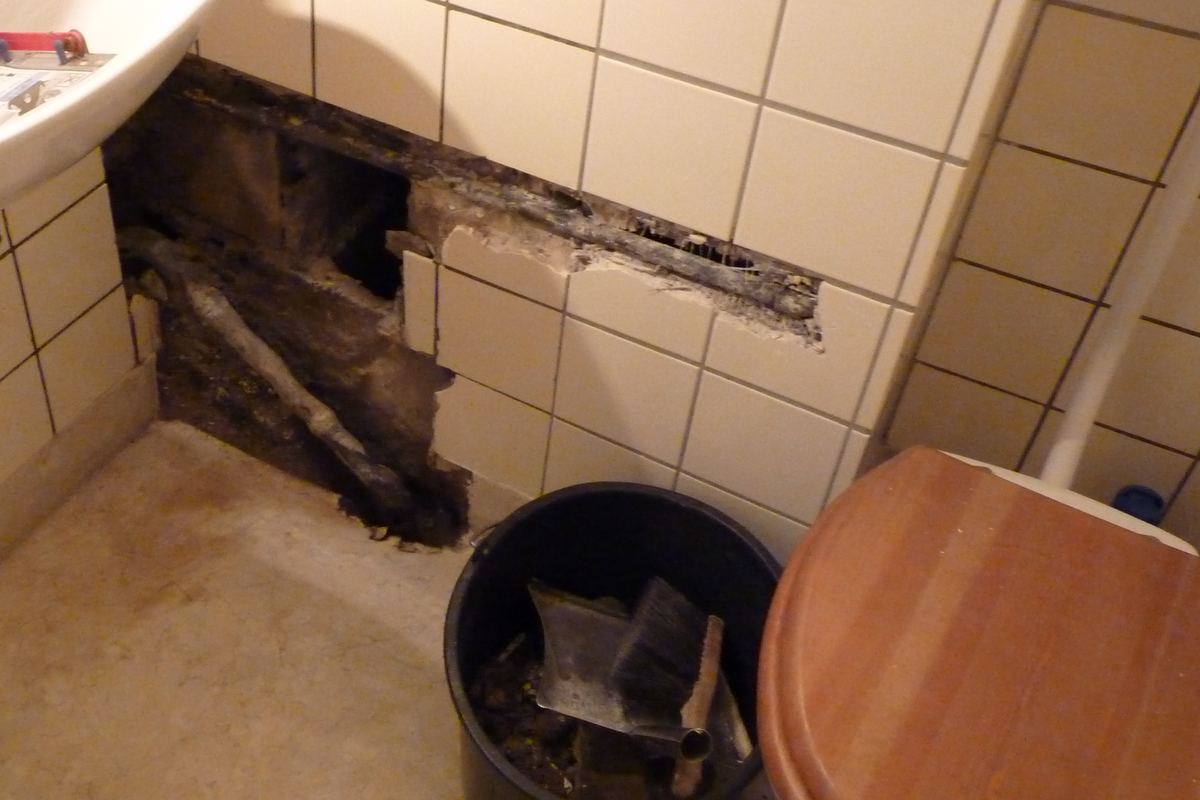
The EPA's mold course lists leaking or condensing water pipes among common moisture problems, especially pipes inside wall cavities or pipe chases.
Its Brief Guide places hidden mold in the same spot: inside walls around pipes that leak or sweat.
What the Guides Say About Repair
The EPA says to fix plumbing leaks and other water problems as soon as possible. The CDC says to fix leaks in the roof, walls or plumbing so mold does not have moisture to grow.
Roof Leaks
Leaking roofs come first on the mold course's list of common moisture problems.
The Brief Guide names roof materials above ceiling tiles as a hidden mold site, from roof leaks or too little insulation. It also tells homeowners to clean and repair roof gutters regularly.
Why a Slow Roof Leak Matters
The course warns that a roof left leaking long enough lets molds feed on the wet wood, and that this can weaken floors and walls.
Air Conditioning and Windows
Air Conditioning
The EPA's mold course says one job of a heating, ventilation and air conditioning system is to remove moisture from the air. That water has to drain somewhere.
The Brief Guide says to keep air conditioning drip pans clean and the drain lines unobstructed and flowing properly.
The Florida Department of Health says to check around air handling units for standing water. It adds that if a central system needs a dehumidifier to bring humidity below 60 percent, the system should be examined for problems.
Windows and Condensation
The CDC names leaks around windows, along with roofs and pipes, as places mold will grow.
A wet window is not always a leak. The EPA shows condensation on the inside of a windowpane as a moisture sign and says condensation can be a sign of high humidity.
Where moisture collects on windows, walls or pipes, the EPA says to dry the wet surface quickly and reduce the water source.
How a Leak Is Traced
Tracing works backward from the growth. Florida's definition of a mold assessment in section 468.8411 includes evaluating data from a building history and inspection to form an initial hypothesis about the origin, identity, location and extent of mold growth larger than 10 square feet.
Origin is in that list. A Florida licensed mold assessor is looking for where the growth began, not only how much there is.
Looking Behind Finished Surfaces
The EPA says investigating hidden mold may be difficult and calls for caution when it means disturbing places where mold may grow. If you believe you may have a hidden problem, it says to consider an experienced professional.
Our page on thermal imaging mold inspection covers one way to look behind walls and ceilings before anything is opened.
Measuring the Air
Some water sits in the air, not in a pipe. The EPA says relative humidity can be measured with a moisture or humidity meter sold at many hardware stores.
It says to keep indoor humidity below 60 percent if possible, ideally between 30 and 50 percent.
Who Fixes the Leak
Finding the leak behind mold, removing the mold and repairing the leak can be three different jobs. Section 468.8411 says a mold remediator may not do work that requires a license under chapter 489 unless the remediator is also licensed under that chapter or complies with it.
The Trades Florida Law Defines
Chapter 489 is Florida's contracting law. Its definitions in section 489.105 describe the trades that match the leaks above:
- Plumbing contractor: installs, maintains, repairs, alters or extends plumbing.
- Roofing contractor: installs, maintains and repairs all kinds of roofing, waterproofing and coating.
- Class A air conditioning contractor: installs, maintains and repairs central air conditioning, refrigeration, heating and ventilating systems, including duct work.
Checking a Mold License
The Florida DBPR licenses mold assessors and mold remediators, and its site lets users verify licenses by name or license number.
When You Rent
If you rent, the EPA says to report all plumbing leaks and moisture problems immediately to the building owner, manager or superintendent. Our renter's guide covers the rest.
Repair Before the Job Is Done
The EPA says the water or moisture problem must be completely fixed before a cleanup or remediation can be considered finished.
For a house in Plantation, our page on mold inspection in Plantation explains how a request works. For a house farther east, see mold inspection in Fort Lauderdale.
Finding the Leak Behind Mold: Short Answers
How fast should a wet area dry once the leak stops?
The EPA says that if wet or damp materials are dried within 24 to 48 hours after a leak or spill, in most cases mold will not grow. The Florida Department of Health sets a tighter mark and says to dry out wet building materials and carpets within 24 hours. Our guide on mold after water damage goes through that clock.
Can a fire sprinkler line be the source?
Yes. The EPA's mold course lists leaking fire protection sprinkler systems among common moisture problems. Section 489.105 includes fire sprinklers, where authorized by law, in the work of a plumbing contractor.
Can the ducts hide the problem?
The EPA Brief Guide names the inside of ductwork among the places hidden mold can grow. If you think the system may hold mold, the EPA and the Florida Department of Health both point to the EPA guide Should You Have the Air Ducts in Your Home Cleaned before you act.
How do I ask for an assessment?
Send a request through the short form. A company whose mold assessor holds a Florida license may pay us for the introduction.
Sources
- U.S. Environmental Protection Agency, A Brief Guide to Mold, Moisture and Your Home. https://www.epa.gov/mold/brief-guide-mold-moisture-and-your-home. Read 2026-11-23.
- U.S. Environmental Protection Agency, Mold Course Chapter 2. https://www.epa.gov/mold/mold-course-chapter-2. Read 2026-11-23.
- Florida Department of Health, Indoor Mold and Your Health. https://www.floridahealth.gov/community-environmental-public-health/environmental-public-health/air-quality/mold/. Read 2026-11-23.
- Centers for Disease Control and Prevention, Mold (September 26, 2024). https://www.cdc.gov/mold-health/about/index.html. Read 2026-11-23.
- Florida Department of Business and Professional Regulation, Mold-Related Services. https://www2.myfloridalicense.com/mold-related-services/. Read 2026-11-23.
- Florida Statutes, section 468.8411, Definitions (2026). http://www.leg.state.fl.us/statutes/index.cfm?App_mode=Display_Statute&URL=0400-0499/0468/Sections/0468.8411.html. Read 2026-11-23.
- Florida Statutes, section 489.105, Definitions (2026). http://www.leg.state.fl.us/statutes/index.cfm?App_mode=Display_Statute&URL=0400-0499/0489/Sections/0489.105.html. Read 2026-11-23.
The service
Mold inspection after water damage: what a Florida licensed mold assessor looks at once a leak has wet the house.
Other guides
How to ask
Send a request on the contact page. A company whose mold assessor holds a Florida license may pay us for the introduction.